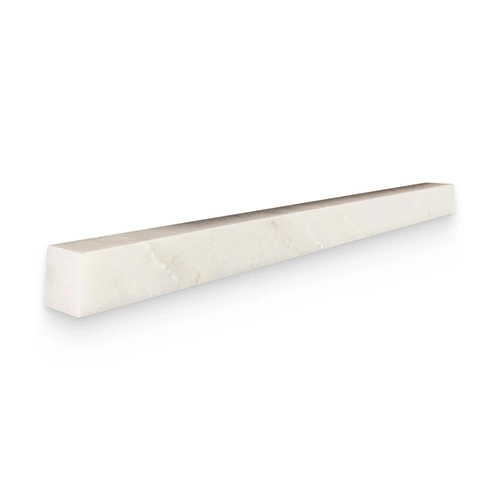
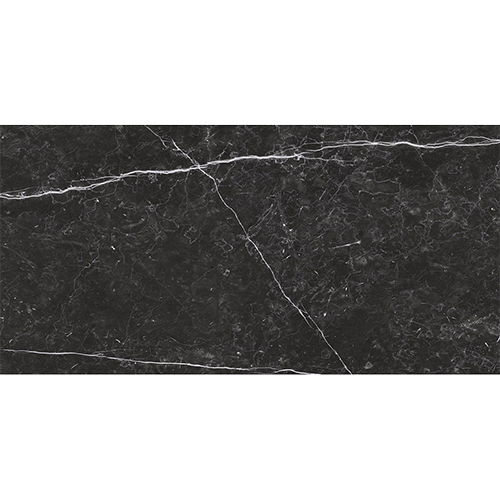
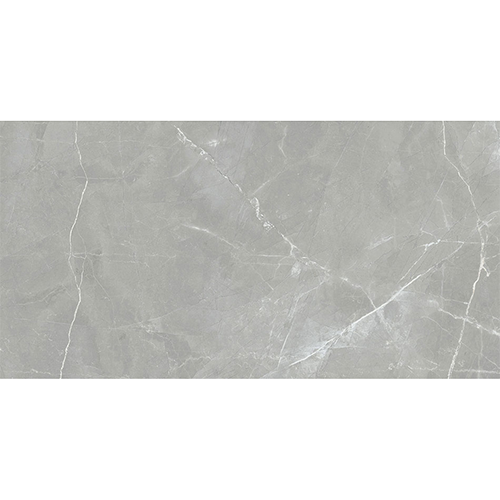
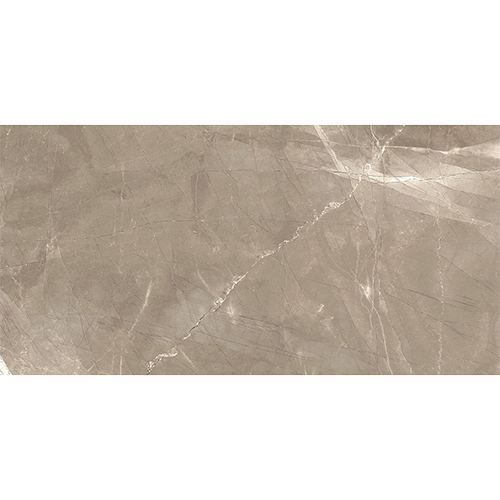
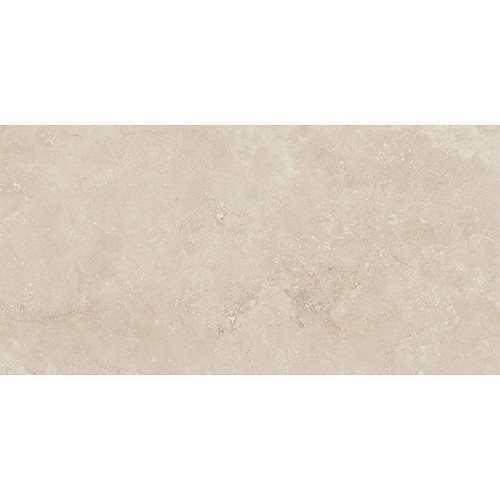
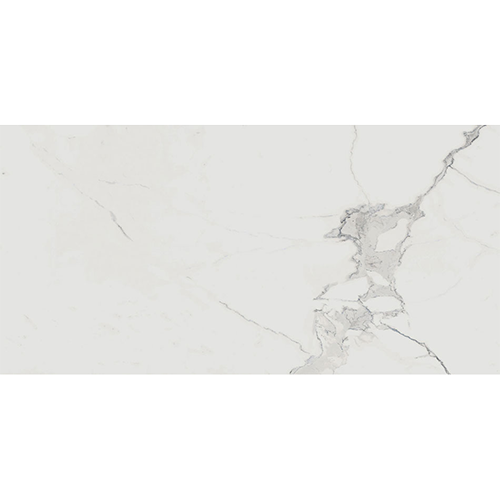
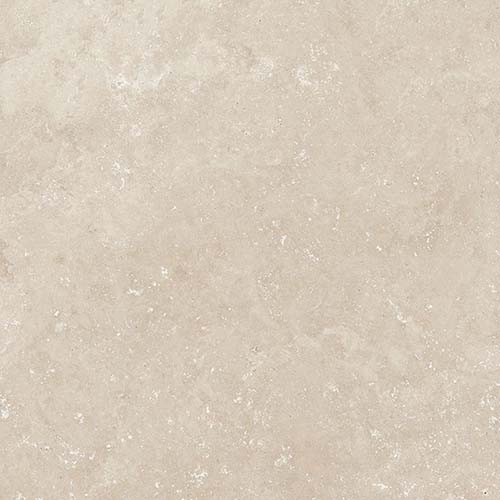
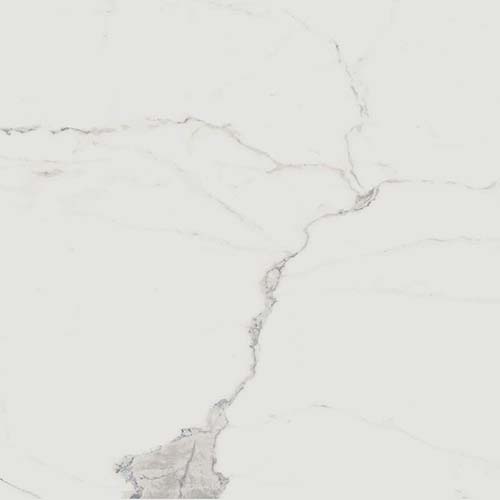
Daphne White Modern Bullnose Honed is a natural stone trim tile engineered to deliver refined edge finishing and polished transitions in interior wall and floor tile installations. The modern bullnose format is shaped to provide a smooth, rounded edge that enhances the termination of field tiles, eliminating sharp corners and creating seamless transitions between surfaces. This format supports a controlled, intentional design outcome in bathrooms, kitchens, entryways, and accent walls, where clean edges contribute to cohesive spatial definition.
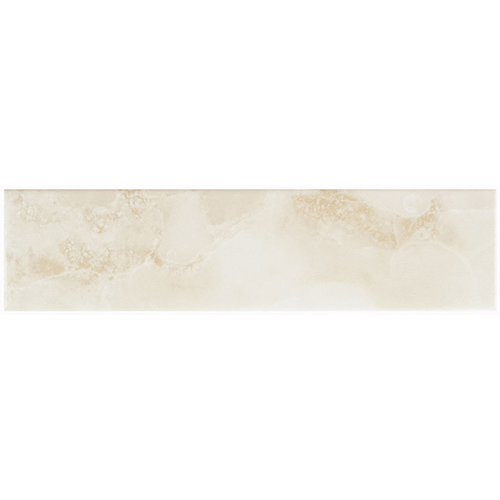
Made from natural stone, Daphne White Modern Bullnose Honed displays the inherent veining and tonal variation typical of quarried materials. The honed finish produces a matte, low-sheen surface that emphasizes the stone’s natural texture while minimizing surface glare. This texture contributes to a composed, understated aesthetic and integrates well with design schemes that value subtlety and tactile depth over reflective shine. The honed surface also supports slip resistance and practical performance in interior environments where moisture and foot traffic are factors, making it suitable for both wall and floor transitions.
The streamlined bullnose profile pairs seamlessly with complementary tile surfaces and surrounding materials, reinforcing layout precision and visual continuity. Daphne White Modern Bullnose Honed coordinates with wood cabinetry, natural stone countertops, concrete accents, and metal fixtures in both warm and cool tones. Its neutral white palette allows it to function as a cohesive finishing element that supports layered material compositions without detracting from the broader design narrative.
Produced with attention to material quality and finish execution, this trim delivers reliable performance in residential and light commercial interior applications. Daphne White Modern Bullnose Honed combines structured format, natural stone authenticity, and honed surface refinement to enhance design outcomes where edge treatment, surface cohesion, and material interplay are central to overall spatial impact.