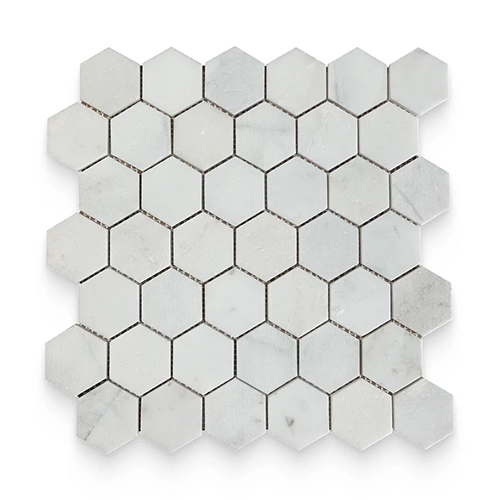
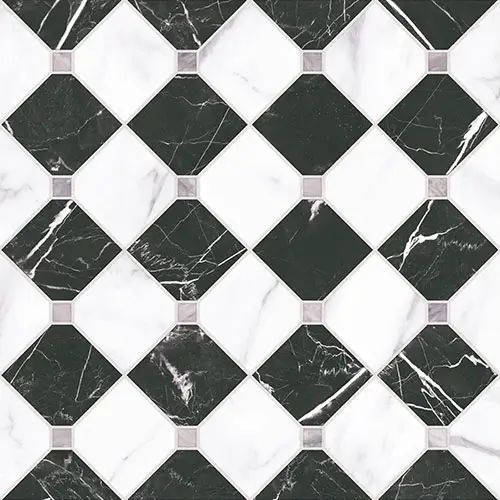
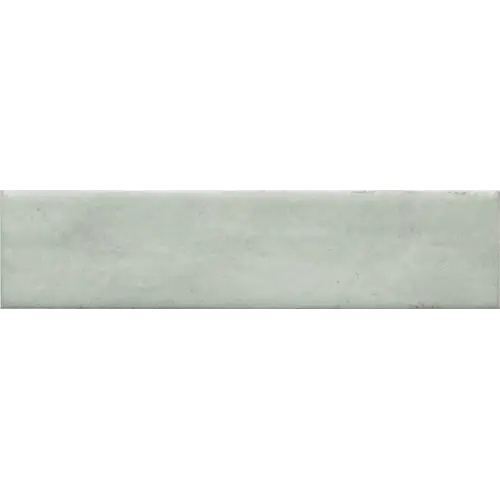
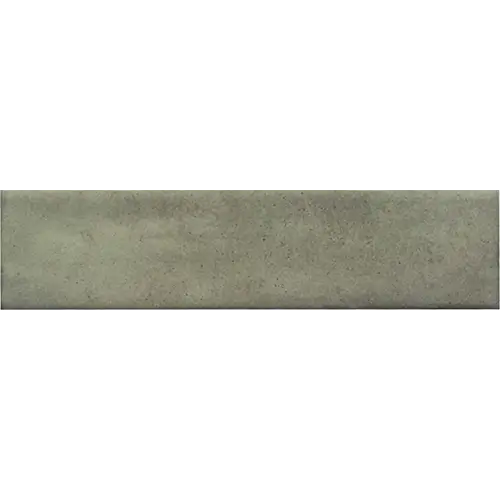
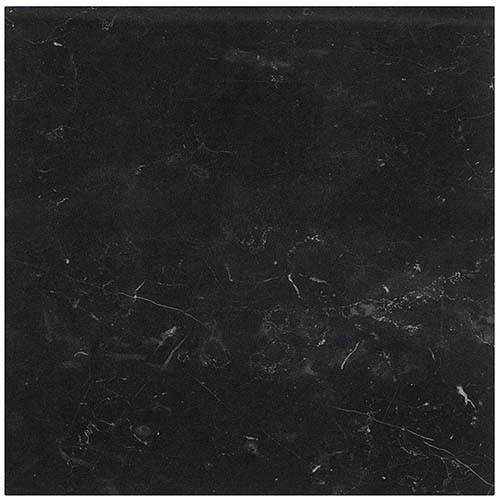
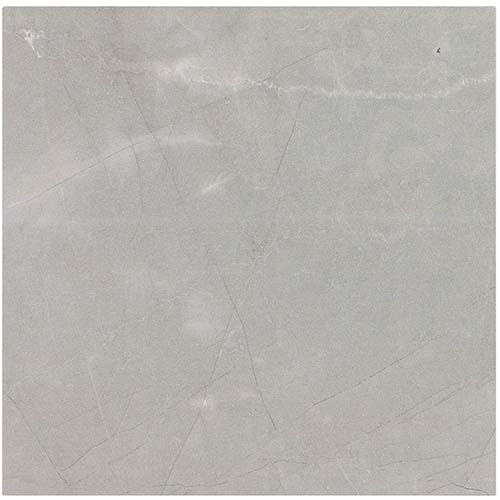
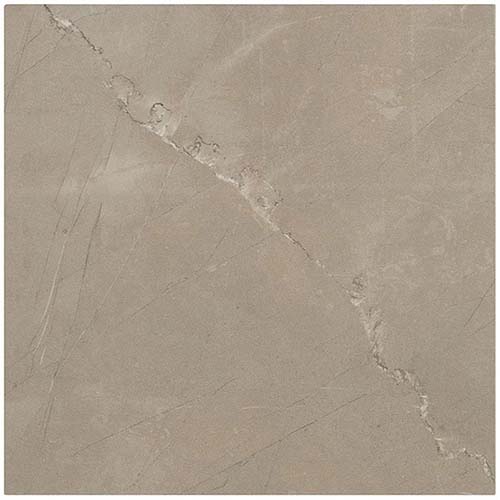
Daphne White Hexagon Multi is a natural stone mosaic tile developed to bring geometric pattern and surface sophistication to interior wall applications. The hexagon format introduces visual rhythm and architectural movement, creating a balanced yet dynamic surface that enhances kitchens, bathrooms, accent walls, backsplashes, and feature installations. The multi-tone configuration integrates subtle tonal variation within a neutral white base, delivering layered depth without overwhelming coordinated design schemes.
Constructed from authentic natural stone, Daphne White Hexagon Multi reflects the inherent color shifts and veining characteristic of quarried materials. The polished finish enhances light interaction across the surface, increasing perceived brightness and emphasizing the stone’s natural textural nuances. This refined sheen contributes to a luminous wall presence that pairs effectively with wood cabinetry, stone countertops, concrete accents, and metal hardware in both warm and cool finishes. The mosaic’s surface quality supports maintenance needs in interior environments, balancing aesthetic refinement with practical performance.
The hexagon format’s interlocking geometry adds controlled movement and visual continuity, allowing the mosaic to function as a cohesive foundation in layered material palettes. Daphne White Hexagon Multi’s neutral multi-tone palette accommodates a wide range of design directions, supporting contemporary minimalism, transitional layering, and nuanced traditional interiors. Its pattern anchors surfaces with intentional detail, underscoring spatial depth without distracting from surrounding architectural elements.
Produced with attention to material consistency and finish precision, this mosaic offers dependable performance in residential and light commercial interior wall projects. Daphne White Hexagon Multi combines structured format, natural stone authenticity, and polished surface execution, making it a versatile choice where pattern, texture, and tonal harmony are essential to design impact and overall spatial cohesion.