

Choosing the right bathroom flooring options requires more thought than almost any other room in the home. Bathrooms experience constant moisture, fluctuating temperatures, daily foot traffic and frequent cleaning. the flooring must perform under pressure while still supporting the overall design of the space.
When evaluating the best flooring for bathrooms, the goal is to balance durability, safety, maintenance, budget and long-term style. Below are the key factors to consider before making your decision.
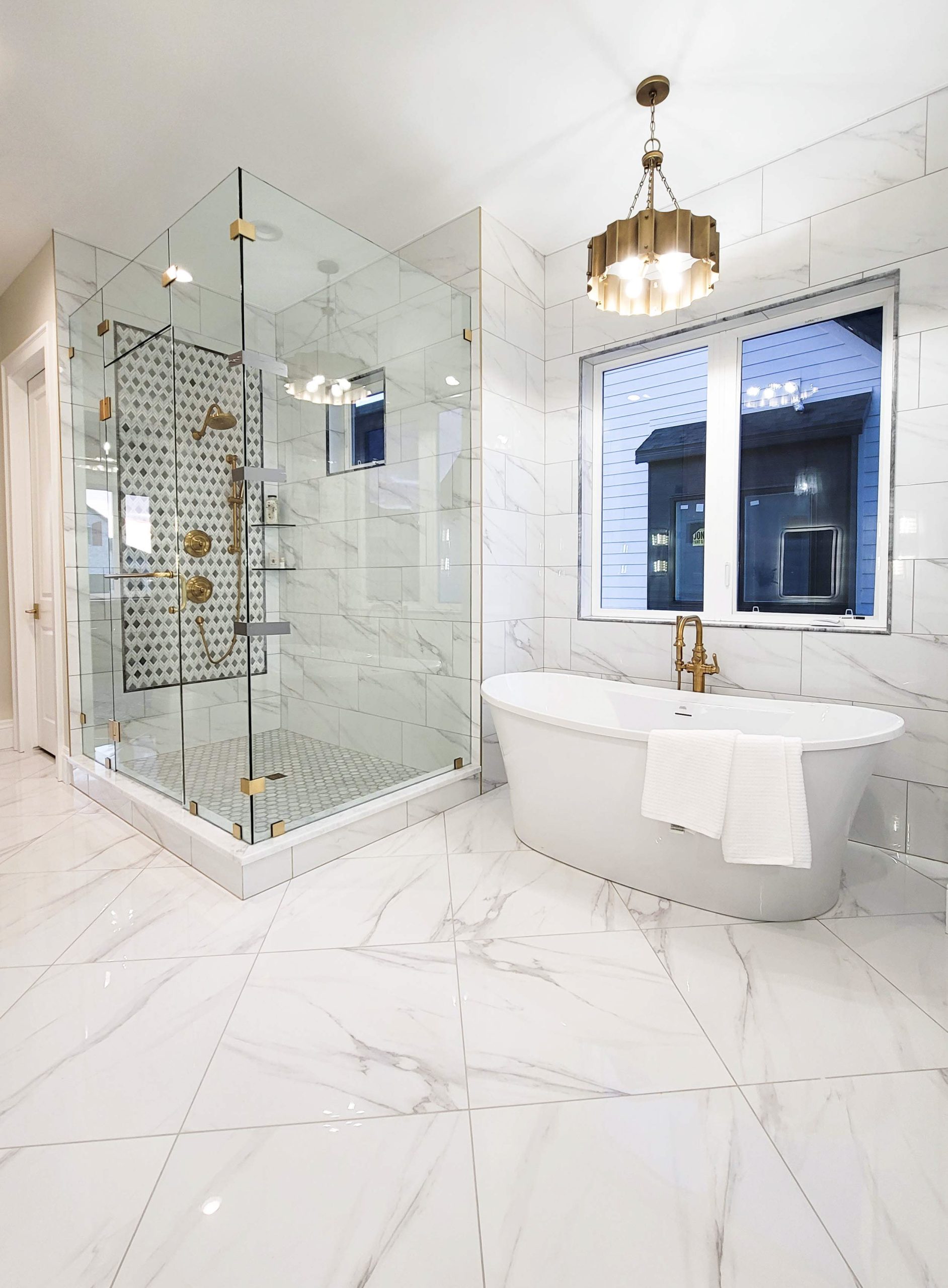
Bathrooms are high-moisture environments by nature. Flooring must withstand:
This is where waterproof bathroom flooring becomes essential.
Porcelain Tile Performance
Porcelain tile is widely considered one of the most reliable bathroom flooring options because of its extremely low water absorption rate. Dense and kiln-fired at high-temperatures, porcelain resists moisture penetration, staining and warping. For bathrooms with heavy daily use, this level of performance is critical.
Natural Stone Considerations
Natural stone can also perform well in bathrooms when properly sealed and maintained. However, it typically has higher porosity then porcelain and requires ongoing care. Always confirm that the stone is rated for wet applications and understand the sealing schedule required.
What to Avoid
Materials not designed for moisture exposure can swell, stain or degrade overtime. Always verify the manufacturer’s water absorption rating and ensure the product is approved for bathroom use.
Key takeaway: Moisture resistance is non-negotiable when selecting bathroom flooring.
Safety should be primary consideration, particularly in:
Wet surfaces significantly increase the risk of slips and falls. Choosing slip-resistant bathroom tile improves safety without sacrificing style.
Surface Texture and Finish
Matte finishes generally provide more traction than polished surfaces. Textured tiles also enhance grip, especially in wet zones such as shower floors.
DCOF Ratings
Look for tile’s DCOF (Dynamic Coefficient of Friction). This rating measures how slip-resistant a tile is under wet conditions. For residential bathrooms, selecting tile that meets industry-recommended DCOF standards add peace of mind.
For more information on slip resistance standards, review the Tile Council of North America DCOF guidelines (https://tcnatile.com).
Tile Size Maters
Smaller format tiles, particularly mosaics, naturally create more grout joints. These grouts lines add traction, which is why mosaic tiles are commonly used in shower pans. Hexagon and penny-round patterns are popular choices because they combine visual interest with practical slip resistance.
When evaluating bathroom tile flooring, always consider both aesthetic and safety performance.
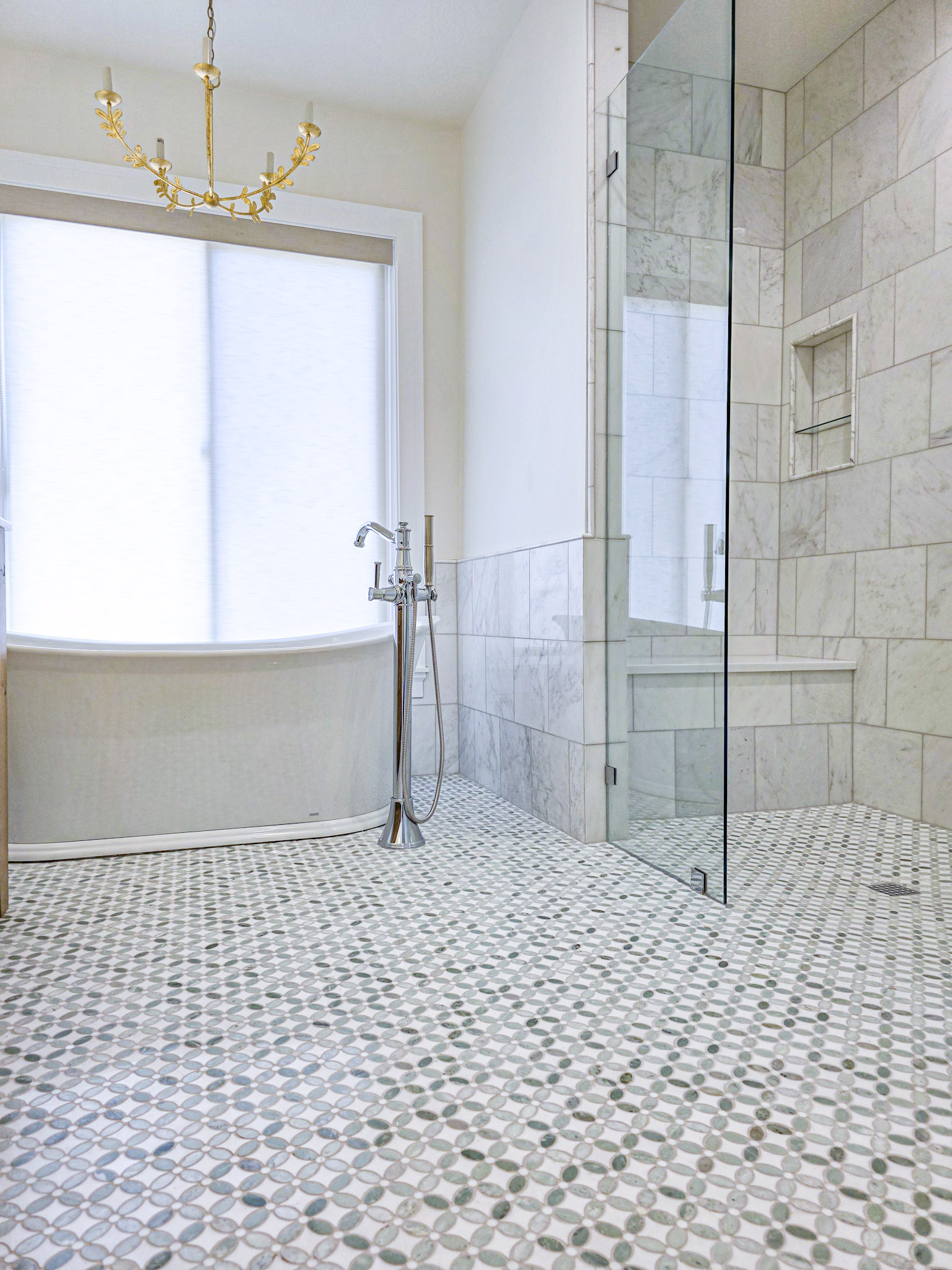
Bathroom floors must endure:
Durability is what separates short-term cosmetic upgrades from long-term investments.
Porcelain and PEI Ratings
Porcelain tile offers excellent durability and scratch resistance. When comparing products, check the PEI rating, which measures a tiles resistance to abrasion. Higher PEI ratings indicate stronger performance for high-traffic areas.
Surface Finish and Longetivity
The surface finish also affects long-term appearance. Highly polished finishes may show scratches more easily while matte or textured finishes tend to conceal wear better
When choosing the best flooring for bathrooms, think beyond immediate appearance and consider how the material will perform five to ten years from now.
Tile size influences both visual perception and functional performance.
Large-Format Tile
Large-format tiles are increasingly popular in modern bathroom design. They:
Fewer grout lines can also simplify cleaning and maintenance.
Smaller Format Tile
Smaller tiles are often more practical in certain areas. They:
A Combination Approach
Many bathrooms successfully combine both:
This layered approach balances visual simplicity with functional performance.
When reviewing bathroom flooring options, consider how scale affects both safety and style.
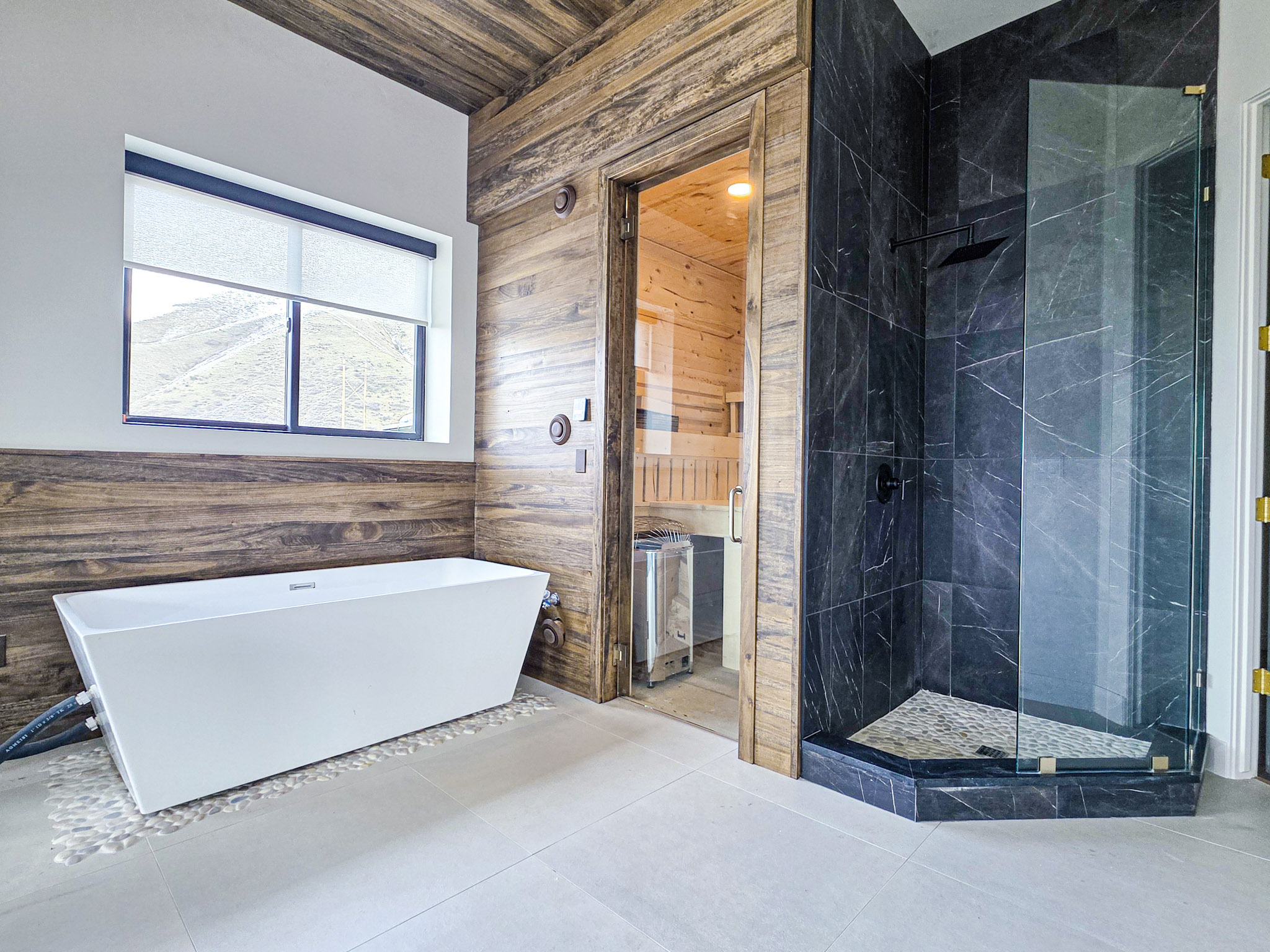
Not all bathroom flooring materials require the same level of care.
Porcelain Tile
Porcelain remains one of the easiest materials to maintain in high-moisture environment
Natural Stone
Natural Stone offer timeless beauty but requires ongoing care to o reserve its appearance
Grount Considertions:
Grout plays a significant role in lomh0term maintenance.
Proper grout selection supports the longevity of any bathroom tile flooring installation.
Bathrooms are long-term investments. Flooring should support both current preferences and future resale value.
Timeless vs. Trend-Driven
Highly trend-focused designs may feel dated over time. Neutral tones and classic materials often provide greater long-term appeal.
Visual Expansion
Light-colored flooring can make smaller bathrooms feel larger and more open. Warmer neutrals can soften contemporary designs and add warmth.
Creating Focal Points
Patterned or decorative tile can introduce personality, especially in smaller bathrooms. Layering different tile scales, such as combining large-format floor tile with mosaics accents, adds visual depth without overwhelming the space.
When evaluating bathroom flooring options, ensure the material aligns with the overall design vision of the home.
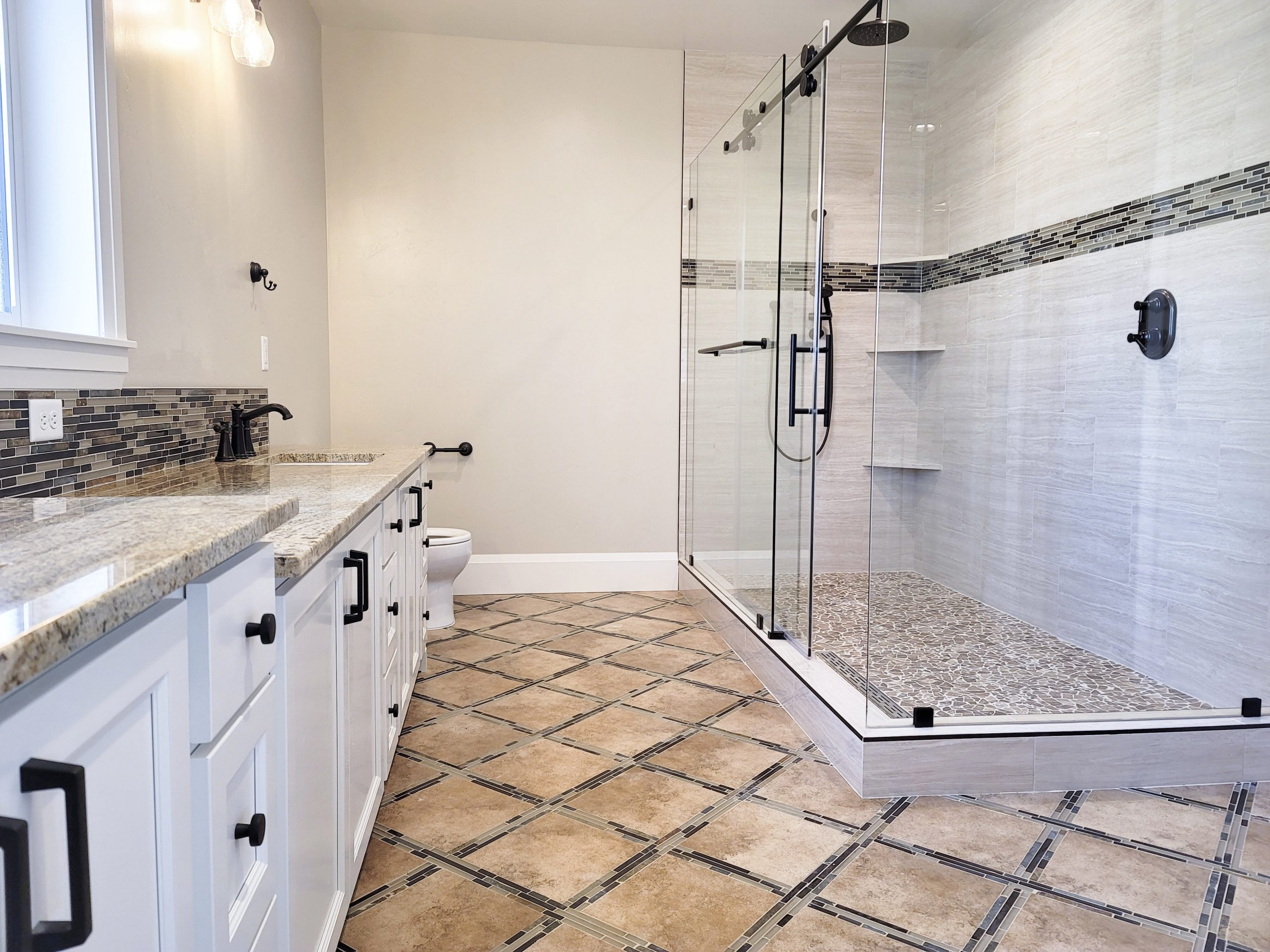
Material cost is only part of the total investment.
Beyond the tile itself, consider:
Some materials may cost more upfront but reduce replacement and repair expenses over time. Investing in quality waterproof bathroom flooring can prevent costly structural damage caused by moisture intrusion.
Professional installation is particularly important in wet environments to ensure proper slope, drainage and waterproofing.
The best bathroom flooring options balance moisture resistance, slip resistance, durability maintenance and design. Whether you select large-format porcelain for seamless modern aesthetic or choose mosaic tile for added traction wet zones, thoughtful material selection ensures your bathroom performs reliably for years.
Bathrooms are high-performance spaces. Choosing the right flooring protects your investment and supports everyday comfort and safety.
If you’re evaluating bathroom tile flooring or searching for the best flooring for bathrooms, explore our collection of porcelain, mosaic and natural tiles options designed for high-moisture environments.
Learn more and explore our products at Old World Stone Imports Flooring and Design, visit our showroom or browse online to find durable, slip-resistant and design-forward solutions tailored to your space.