

When you start shopping for waterproof flooring, the options can feel overwhelming. You may see terms like LVP, LVT and SPC on product labels, showroom displays and flooring guides. At first, they may sound like different names for the same type of floor.
They are related, but they are not exactly the same.
Each option is designed to give homeowners a durable, stylish and easy to maintain flooring solution. The real difference comes down to appearance, structure and where each products works best. Choosing the right flooring depends on how your home is used every day, the style you want and the level of durability your space needs.
If you are planning a flooring upgrade before summer, this is a smart time to compare your options and find the right fit for your home.
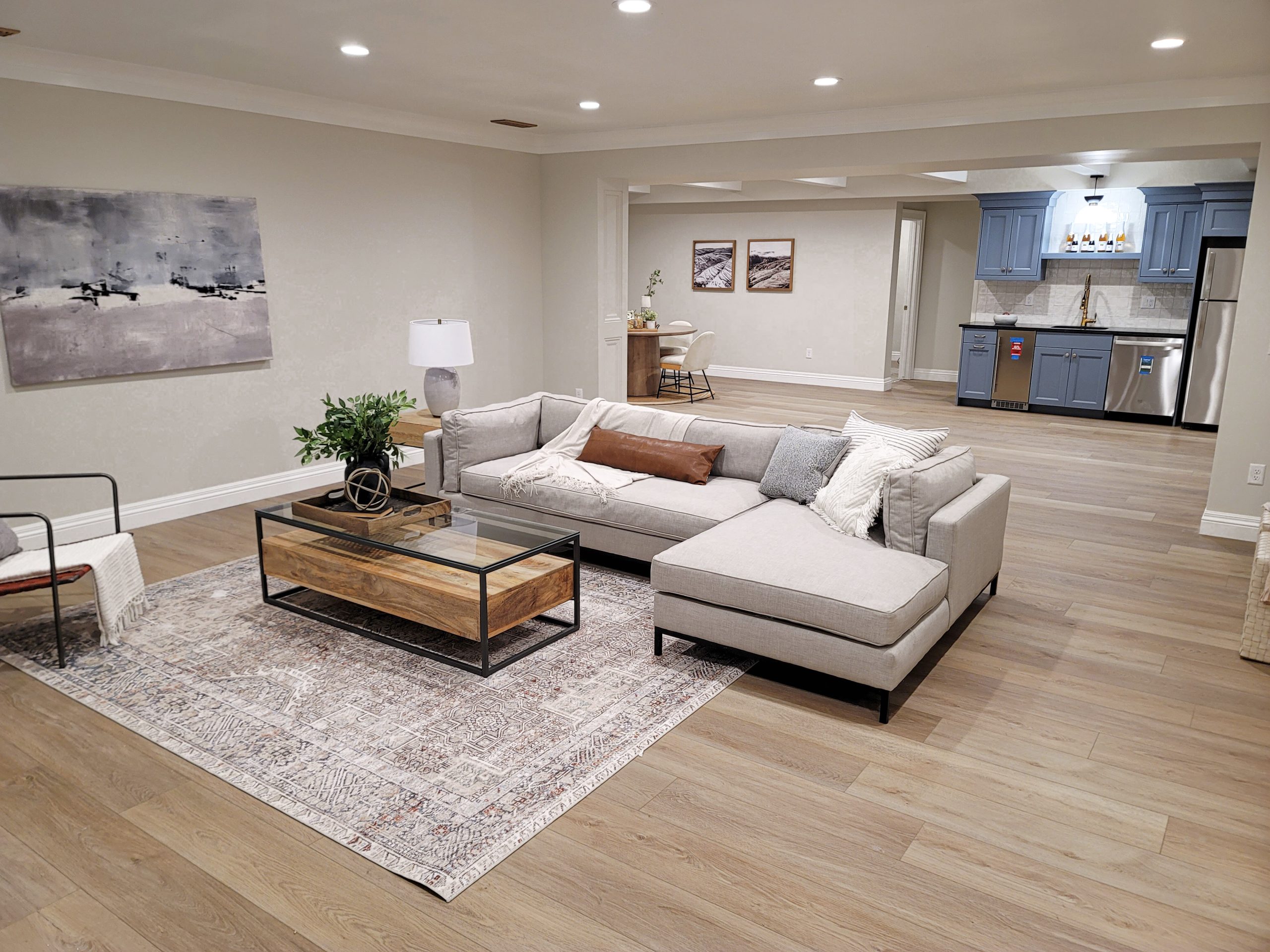
Before comparing LVP vs LVT vs SPC flooring, it helps understand why waterproof flooring has become such popular choice for homeowners.
Homes are busy. Kitchens see spills. Entryways collect dirt. Pets track in water. Kids run through hallways. Living rooms become everything from movie-night spaces to snack zones. Flooring has to do more than look beautiful in photos. It has to keep up with real daily life.
That is where waterproof flooring becomes practical option. LVP, LVT and SPC can offer the appearance of wood, tile or stone while being easier to maintain than many traditional materials. For homeowners who want style without constant worry, all three are worth considering.
For additional consumer flooring education, you can review the World Floor Covering Association’s vinyl flooring guide, which explains the different formats and design possibilities available with today’s flooring.
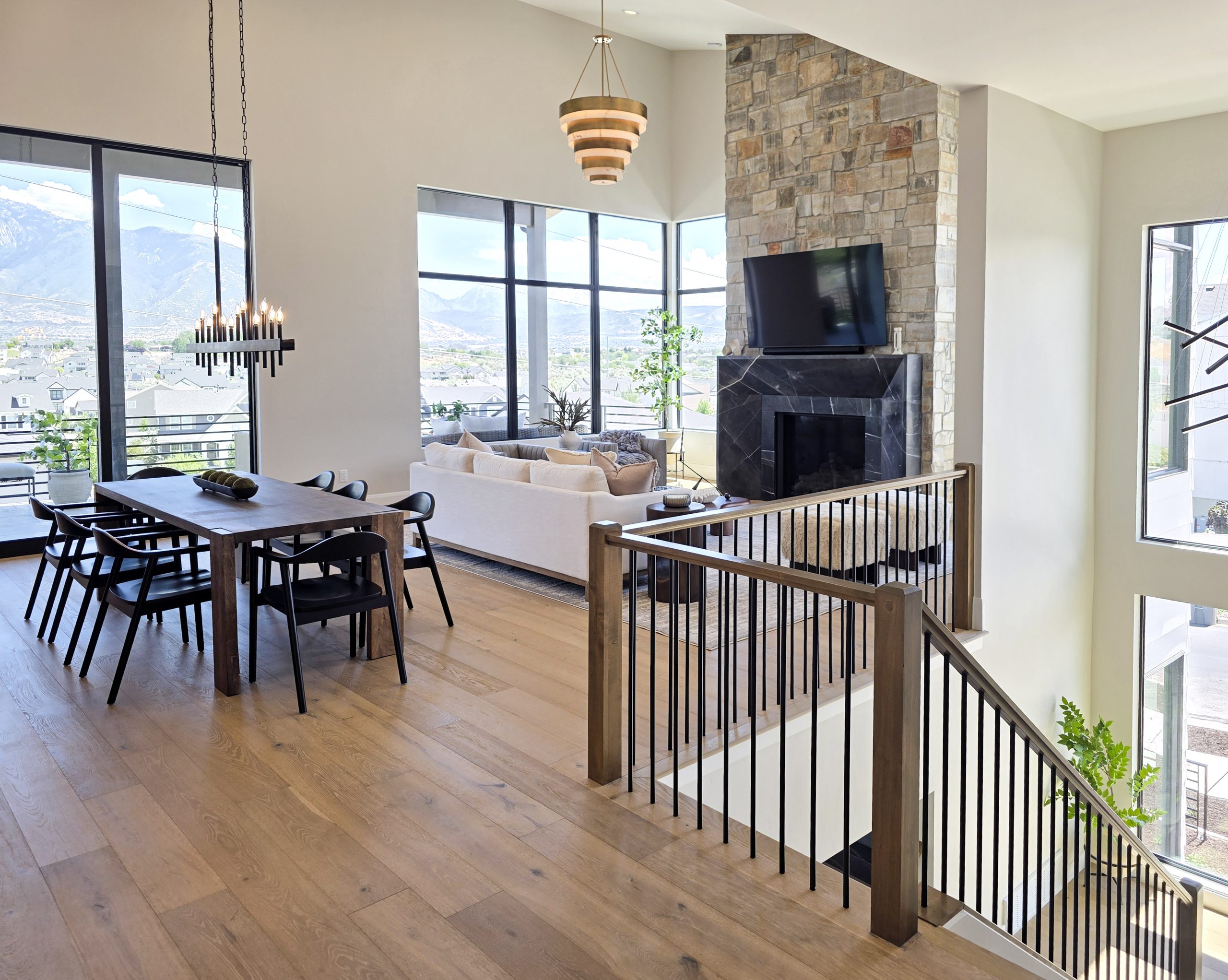
LVP flooring or luxury vinyl plank, is a waterproof flooring option designed to look like hardwood. It comes in long plank shapes, helping create the appearance of real wood flooring without the higher maintenance that natural hardwood often requires.
This is one of the biggest reasons LVP flooring has become so popular. It gives homeowners the warm, natural appearance of wood with a surface that is more practical for everyday use.
LVP is a strong choice for:
If you like the look of hardwood but need flooring that can handle spills, pets and daily traffic, LVP flooring is a great place to start.
LVT flooring or luxury vinyl tile, is similar to LVP in performance, but the style is different, instead of looking like wood planks, LVT is designed to look like tile or stone.
Think of visuals inspired by ceramic, porcelain, marble, slate, limestone or concrete. LVT gives you a tile or stone inspired appearance while offering a softer, easier care alternative to traditional tile.
LVT works especially well in:
If you want the look of tile or stone without the cold, hard feel of traditional tile, LVT may be the better fit.
SPC flooring stands for stone plastic composite or stone polymer composite. It is a type of rigid core vinyl flooring made with a dense, stable core.
The main thing to know about SPC is that it is built for strength. Its rigid core gives it added stability, making it a strong choice for:
SPC can come in wood-look or stone-look styles, depending on the product. It often feels firmer underfoot than some standard vinyl flooring options, but the firmness is part of what makes it feel sturdy and stable.
The easiest way to understand the difference between LVP and LVT is this:
LVP looks like wood.
LVT looks like tile or stone.
Both can be waterproof. Both are easy to clean. Both are practical for busy homes. The best choice usually depends on the look you want.
Choose LVP flooring if you want warm, wood-inspired look that can flow through several homes. It is especially useful for open layouts because it helps create a consistent look from one space to another.
Choose LVT flooring if you want the appearance of tile, stone or marble. It is a great choice for bathrooms, laundry rooms, mudrooms and spaces where a tile-style visual feels more natural.
LVP is a broader flooring category. SPC is a specific type of rigid core vinyl flooring.
Some LVP products are more flexible. Others have rigid cores. SPC, however is known for its stone composite core, which gives it added density and stability.
Here is the simplest way to compare them:
LVP is usually chosen for its wood-look style, comfort and everyday performance.
SPC is usually chosen when added strength, rigidity and stability are priorities.
That does not mean LVP is not durable. For many homes, LVP flooring is more than strong enough for normal daily use. But if your home has extra-heavy traffic, frequent activity or a space that needs a firmer flooring structure, SPC may be worth considering.
The right flooring choice often depends on where it will be installed. Kitchens, Bathrooms, laundry rooms, bedrooms and whole home updated all have different needs.
Some rooms need extra moisture resistance. Others need comfort, warmth or a consistent design flow. That is why it helps to compare LVP vs LVT vs SPC flooring based on the way each room is used.
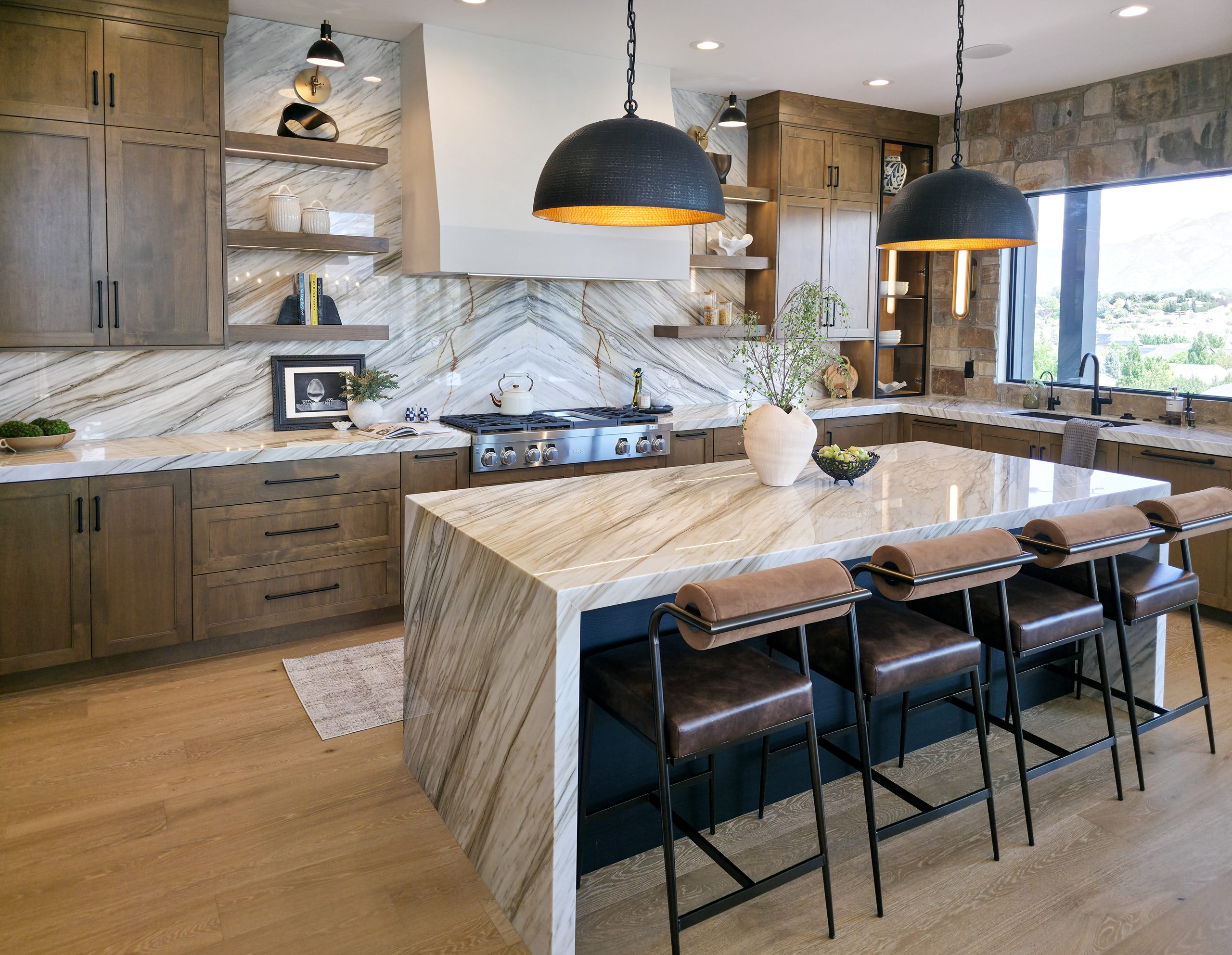
Kitchens need flooring that can handle moisture, food spills, dopped items and frequent cleaning. That makes waterproof flooring a smart choice.
For kitchens, all three options can work well.
Choose LVP if you want a wood-look floor that connects beautifully with nearby living or dining areas.
Choose LVT if you want a tile or stone-inspired kitchen floor without using traditional tile.
Choose SPC if your kitchen gets heavy use and you want a rigid core option with added durability.
For many homeowners, LVP is a popular kitchen choice. because it brings warmth into the space while still being practical for spills and everyday messes.
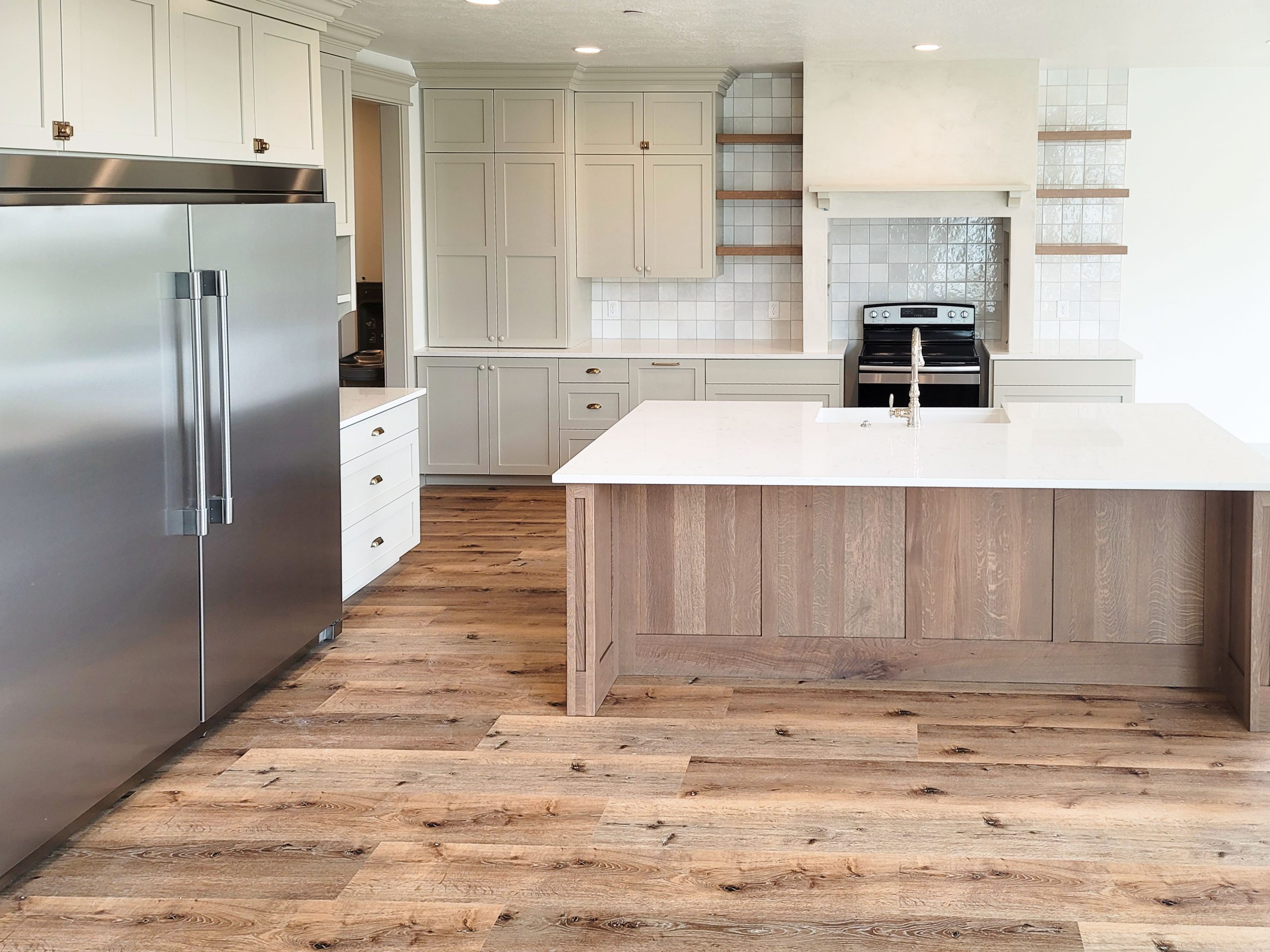
Bathrooms and laundry rooms need flooring that can handle moisture, LVT is often a favorite for these spaces because it can give the appearance of tile or srone.
However, LVP can also work beautifully if you want continuous wood-look flooring that flows nearby rooms into a bathroom or laundry area. SPC is another strong option if you want waterproof performance with a firmer more stable core.
The most important thing is choosing a product designed for moisture-prone areas and having it installed properly.
If your planning a larger home update, visit our flooring showroom or our website to see LVP, LVT, SPC, tile, carpet and other materials side by side,
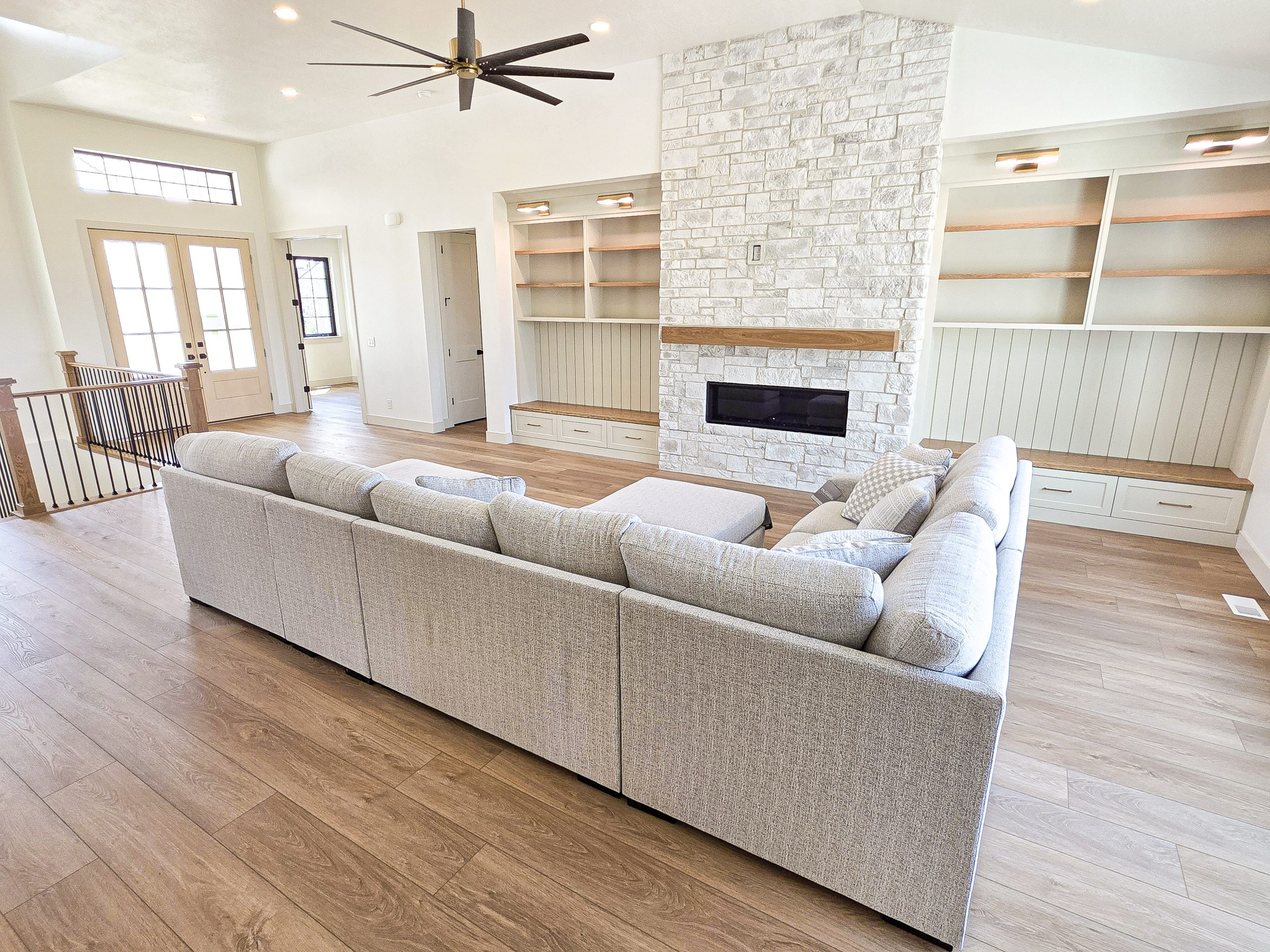
For whole home updated, LVP flooring is often one of the strongest choices.
Why? Beacuse it creates a consistent wood look foundation throughout the home. When the same flooring runs through the kitchen, living room, hallway and bedrooms, the entire space can feel cleaner, larger and more connected.
This is especially helpful in open concept homes where different rooms visually flow into each other. Instead of breaking up the home with several flooring materials, LVP can create one cohesive look.
SPC can also work well for whole home updates, especially if you want a rigid core product. LVT is usually better for specific areas where a tile or stone look is preferred.
For families and pet owners, flooring has to be realistic. It needs to handle paw prints, spills, toys, shoes, snacks and constant movement.
LVT, LVP and SPC can all be practical choices, but each one serves a slightly different purpose.
LVP flooring is a great everyday option for living areas, bedrooms, kitchens and hallways. It offers a warm look while still being easy to maintain.
LVT flooring works well in areas where you want a tile-inspired look, such as bathrooms, laundry rooms and entryways.
SPC flooring is ideal when durability and stability are top priorities, especially in spaces with heavier traffic.
If comfort, style and whole home consistency matter most, start with LVP. If maximum rigidity matters most, as about SPC options.
The right choice depends on how you want your home to look and how your space is used every day.
Choose LVP flooring if you want the look of hardwood with waterproof performance and easy maintenance. It is a strong option foe whole home updates, open layouts, family rooms, kitchens and bedrooms.
Choose LVT flooring if you prefer the look of tile, stone or marble. It is a practical choice for bathrooms, laundry rooms, mudrooms and entryways.
Choose SPC flooring if you want rigid core waterproof flooring with added durability and stability. It is a good option for high-traffic areas, rental properties and busy households.
If you are still unsure, the best next step is to see the materials in person. Flooring samples can look different depending on lighting, wall color, cabinetry and room size. Visiting a showroom makes it easier to compare tone, textures and finishes before making a final decision.
If your floors are worn, outdated or hard to maintain, May is a great time to explore better option. OWSI Flooring and Design’s Memorial Day Savings includes 20% off LVP, LVT, SPC and waterproof flooring throughout the month.
Whether you want a wood look floor throughout your home, a tile inspired option for moisture prone spaces, or a rigid core product for high traffic areas, OWSI can help you find a flooring option that fits your home and lifestyle.
Browse our current “Memorial Day Savings” to find select flooring options available this month.
Visit OWSI Flooring and Design this May to compare LVP, LVT, SPC and waterproof flooring options before the sale ends.