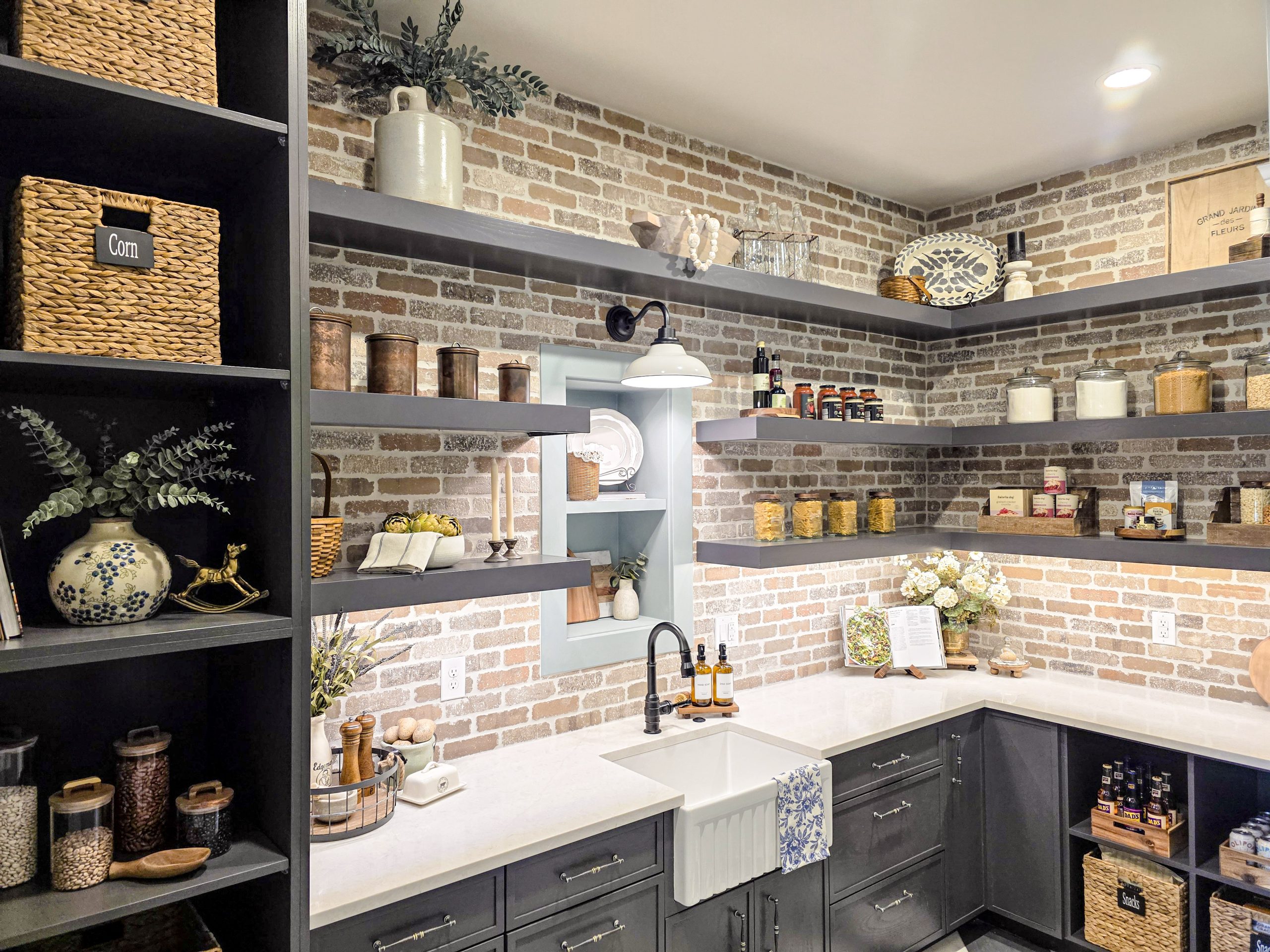
Best Countertop Materials this 2025: Pros and Cons for Kitchens and Bathrooms
Choosing the right countertop material is one of the most important decisions when remodeling your kitchen, bathroom, or laundry area. With so many options available—each with its own benefits and drawbacks—how do you know which is best for your space?
In this guide, we’ll break down the best countertop materials by category, along with their pros and cons, to help you make a smart and stylish choice.
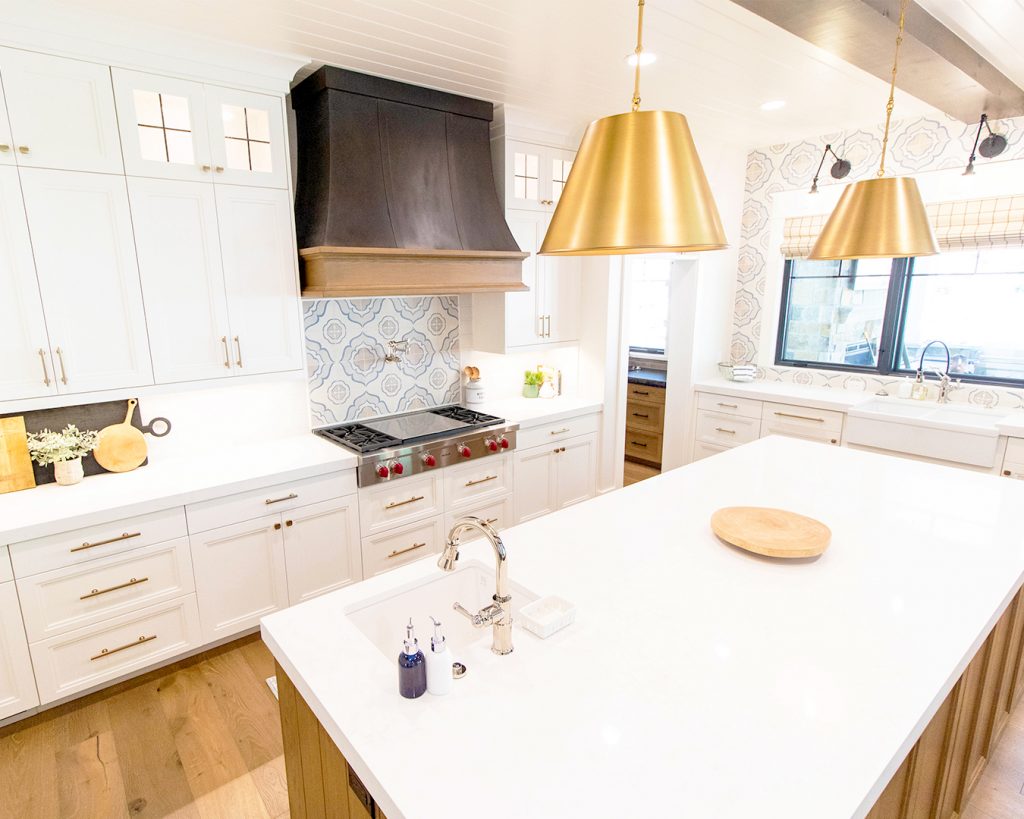
1. Quartz Countertops
Pros:
• Non-porous and stain-resistant
• Extremely low maintenance—no sealing required
• Available in a wide range of colors and patterns
• Scratch- and chip-resistant
Cons:
• Can be damaged by high heat
• Often more expensive than other countertop options
Best for: Homeowners who want a durable, stylish, and low-maintenance surface
2. Granite Countertops
Pros: • 100% natural stone with unique veining • Heat-resistant and extremely durable • Adds resale value to your home
Cons: • Requires periodic sealing to prevent staining • Can be heavy and expensive to install
Best for: Those who love the natural look of stone and want lasting durability
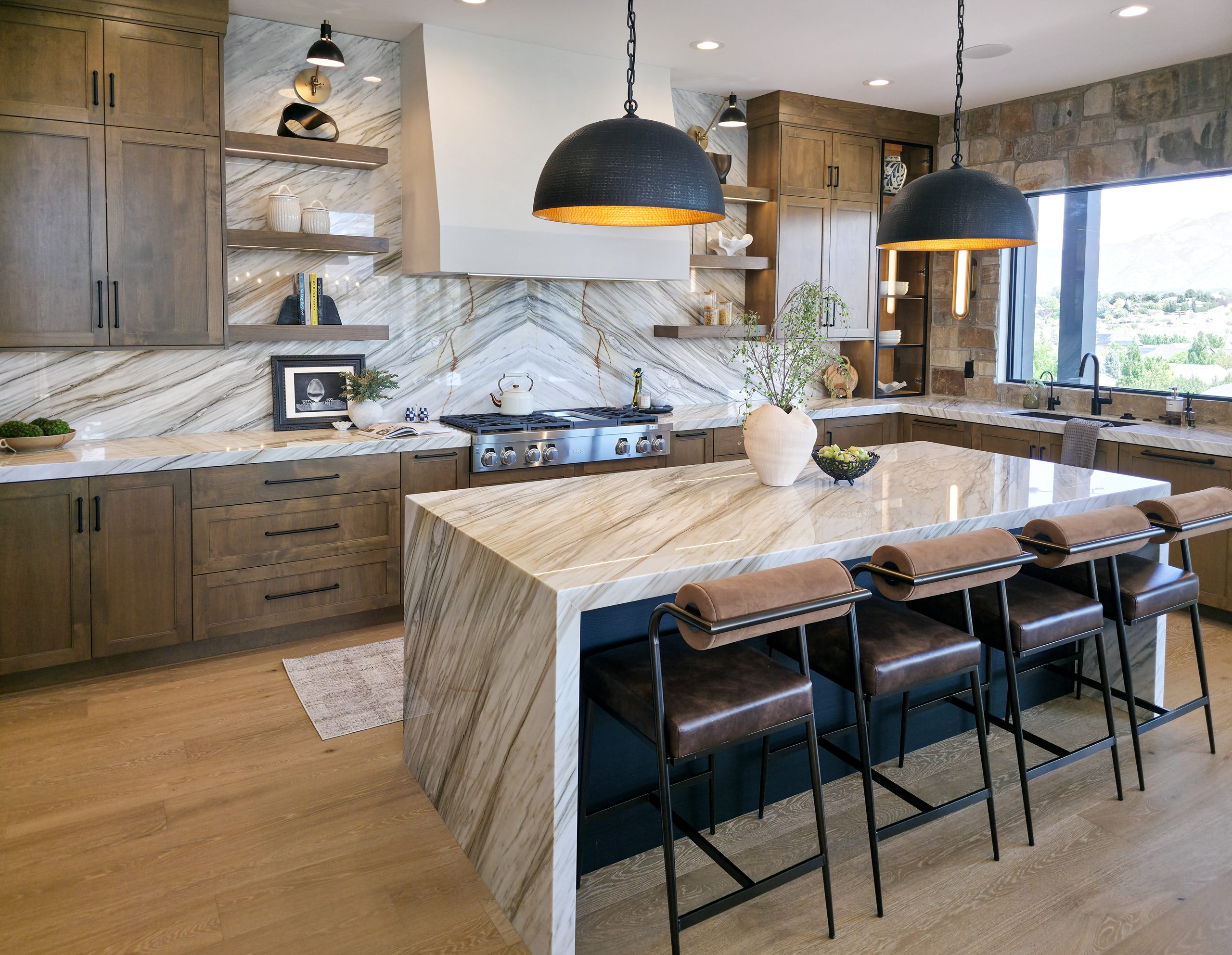
3. Marble Countertops
Pros: • Elegant, timeless appearance • Naturally cool surface—ideal for baking • Luxurious feel that enhances upscale interiors Cons: • Easily stained and etched by acidic substances • Requires regular sealing and careful maintenance
Best for: Homeowners seeking a high-end, classic look for low-traffic areas
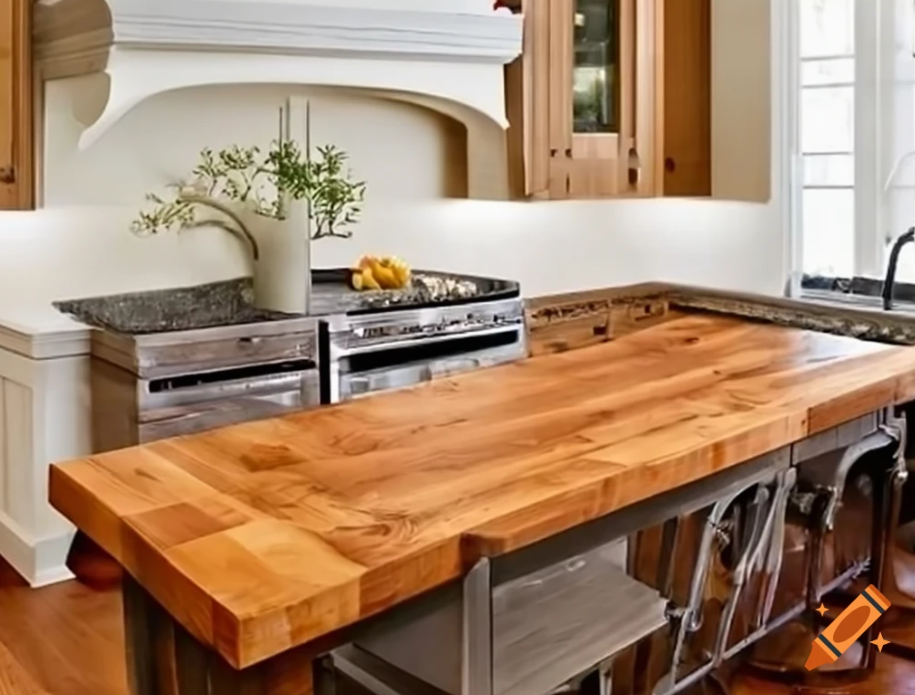
4. Butcher Block Countertops
Pros:
• Warm, organic, and natural appearance
• Can be sanded and refinished
• Affordable compared to stone options
Cons:
• Prone to scratches and water damage
• Requires frequent sealing to maintain
Best for: Kitchens with a rustic or farmhouse aesthetic
5. Concrete Countertops
Pros: • Customizable color and texture • Modern, industrial look • Heat-resistant and solid Cons: • Prone to cracking over time • Requires sealing to prevent stains
Best for: Modern or custom kitchens where design flexibility is key
6. Laminate Countertops
Pros: • Budget-friendly and widely available • Comes in a variety of colors and patterns • Easy to install and lightweight Cons: • Not heat- or scratch-resistant • Difficult to repair once damaged
Best for: Budget-conscious remodels and quick upgrades
7. Solid Surface
Pros: • Seamless installation with invisible joints • Non-porous and hygienic • Easy to clean and repair Cons: • Less resistant to heat and scratching • May not match the elegance of stone surfaces
Best for: Homeowners looking for a smooth, uniform finish with low maintenance
✅ How to Choose the Best Countertop Material for Your Home
When deciding on a countertop, think about:
• Your lifestyle – Do you cook often? Have kids?
• Maintenance level – Are you okay with sealing or do you want low effort?
• Design style – Modern, classic, rustic?
• Budget – Are you doing a full remodel or just upgrading surfaces?
Looking to upgrade your countertops? For a limited time, we’re offering exclusive discounts on select countertop materials—including quartz, granite, and more!
Until May 31, 2025 only!
📍Visit our design center or call us at 801-431-0137 to book a design consultation with our team today and find the perfect surface for your space.
🔽Click the image below to browse our Countertop selections!🔽
💬 FAQs
What is the most durable countertop material?
Quartz and granite are both highly durable, but quartz requires less maintenance.
Are quartz countertops better than granite?
Quartz is more stain-resistant and low maintenance, while granite offers a more natural look and heat resistance.
What is the cheapest type of countertop?
Laminate is typically the most affordable, followed by butcher block and tile.
What countertop material is easiest to maintain? Quartz is one of the easiest materials to maintain—it’s non-porous, so it resists stains and doesn’t need to be sealed.
Can I put hot pots directly on countertops? Granite and concrete can handle heat well, but quartz, laminate, and solid surface materials may discolor or crack from extreme heat. Always use trivets or hot pads.
How often do granite countertops need to be sealed? Typically once a year, depending on usage and the specific type of granite. Some sealers now last 3–5 years.