Things to Consider When Choosing Wood Flooring for a Staircase
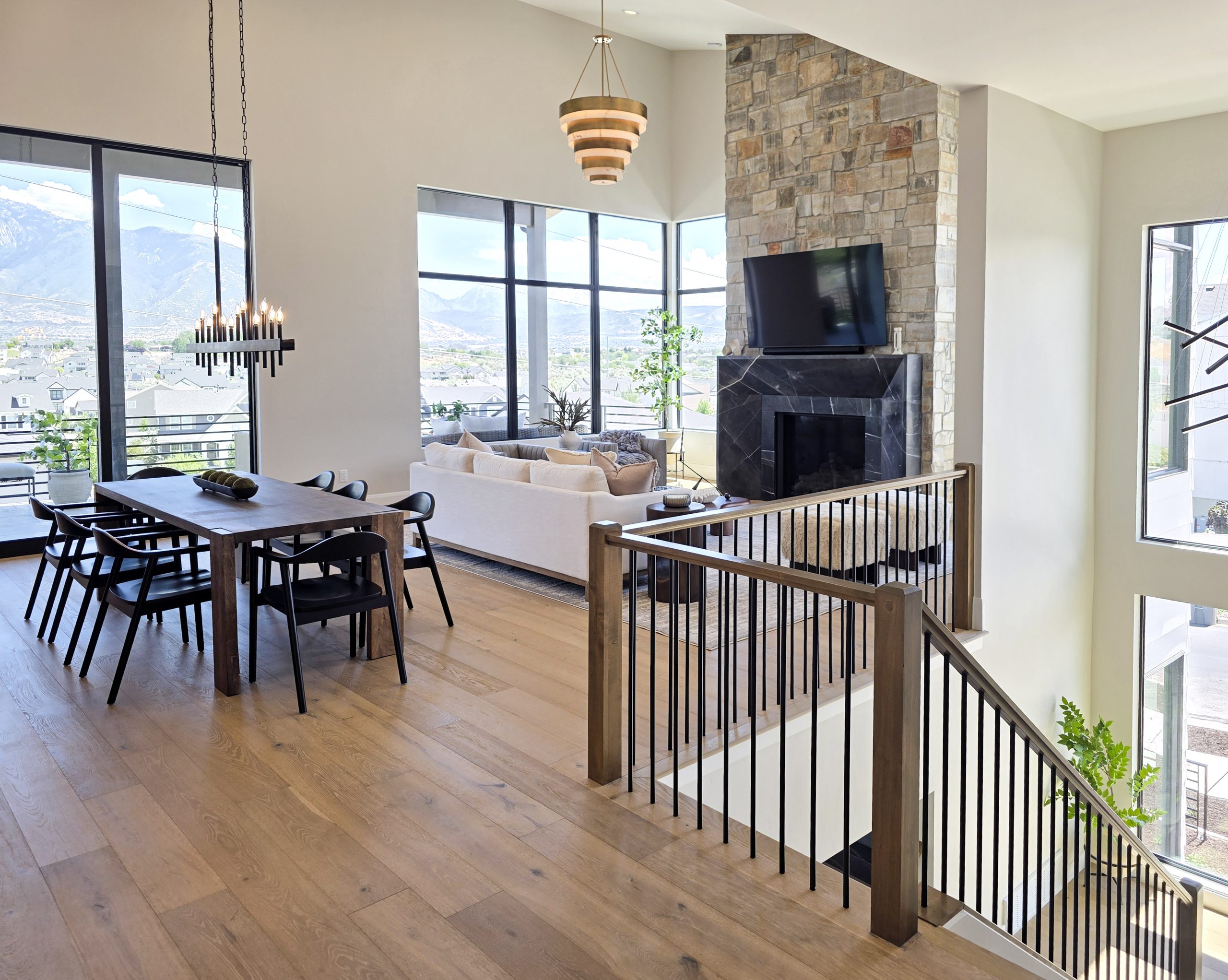
Wood flooring for staircases adds a touch of elegance and timelessness, blending durability with a cohesive design that enhances the overall look of your home. When selecting wood flooring for your stairs, it’s essential to weigh different factors to ensure you make the right choice for your lifestyle, needs, and budget. Below are some key considerations, along with practical examples and the pros and cons of each option.
Material:
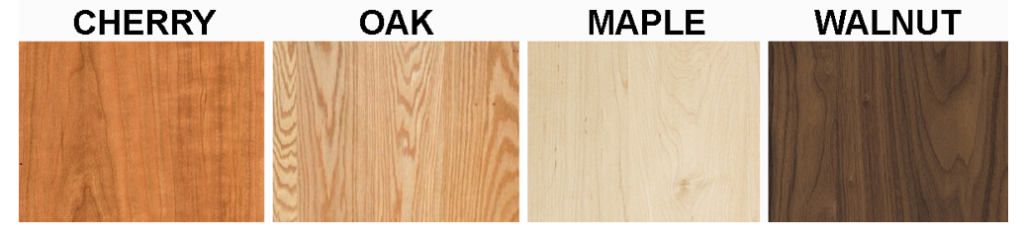
Solid Wood: Solid wood planks offer a premium look and feel. Here are common wood species and their features:
Oak: Known for its durability and classic grain patterns. It’s highly resistant to wear and tear.
Pros: Long-lasting, resists dings and scratches, timeless look.
Cons: More expensive; requires regular maintenance.
Maple: A lighter wood with a smooth, even grain. Offers a modern, sleek appearance.
Pros: Hard, durable, and resistant to damage.
Cons: Prone to staining; can be costly.
Cherry: Reddish tone that darkens over time, ideal for a warm, rich aesthetic.
Pros: Rich color; luxurious appearance.
Cons: Softer than oak and maple; shows dents and scratches easily.
Walnut: Darker in tone with a sophisticated look. Works well in modern, high-end designs.
Pros: Unique and high-end appearance.
Cons: Less durable than other hardwoods; more expensive.
Durability:
Hardness: Choosing a durable wood species ensures the stairs hold up to heavy foot traffic. Three examples include:
Hickory: One of the hardest woods available, great for high-traffic homes.
Pros: Very hard and durable, resists wear.
Cons: Expensive and harder to install.
Oak: A popular, reliable choice due to its natural hardness.
Pros: Readily available, strong, and resists scratching.
Cons: Slightly more prone to expansion with humidity.
Bamboo: Though technically grass, bamboo can be harder than some woods and eco-friendly.
Pros: Eco-friendly, durable, and more budget-friendly.
Cons: Can scratch easily and is sensitive to moisture.
Finish and Texture:
Finish: The finish of the wood determines its overall appearance:
Glossy Finish: Ideal for a modern, polished look. Works well in homes with minimalism or modern design.
Pros: Enhances the wood’s color and grain; reflects light.
Cons: Shows scratches and wear more easily.
Matte Finish: Gives the wood a more natural, contemporary look.
Pros: Hides imperfections; more forgiving with scratches.
Cons: Doesn’t highlight the wood’s grain as much as gloss.
Satin Finish: A middle ground between matte and glossy, offering a subtle sheen.
Pros: Low-maintenance and balances aesthetics with durability.
Cons: May need more frequent cleaning due to dust visibility.
Texture: Consider textured wood, especially in high-traffic areas like stairs:
Distressed Wood: Pre-treated to look aged and worn, great for rustic and farmhouse designs.
Pros: Hides scratches and dents; low maintenance.
Cons: Not ideal for modern, sleek designs.
Wire-Brushed Finish: Lightly scratched to give a subtle texture while maintaining a refined look.
Pros: Adds grip and texture without being too rustic.
Cons: More expensive due to the additional processing.
Smooth Wood: Standard, flat surface with no added texture.
Pros: Timeless and classic look.
Cons: More susceptible to showing wear.
Safety:
Traction: For homes with kids or elderly family members, ensuring good traction on the stairs is essential:
Textured Wood: Offers natural grip due to its texture.
Pros: Safer for high-traffic areas; less prone to slipping.
Cons: May feel rough underfoot.
Non-Slip Treads: These can be installed on top of wood stairs to increase grip.
Pros: Inexpensive and effective at preventing slips.
Cons: Can detract from the aesthetics.
Stair Runners: Carpet runners can add safety and style.
Pros: Increase traction, reduce noise, and add a design element.
Cons: Regular cleaning required; may hide the wood.
Cons: May be harder to balance with overall home décor.
Painted Stair Risers: A popular trend is painting the risers while keeping the treads wood.
Pros: Adds a fresh, modern look; easy to clean and repaint.
Cons: Requires touch-ups and more maintenance over time.
Stair Nosing: A finishing piece for the edges of the steps:
Round Nosing: Softens the look of the stair edge.
Pros: Safer and reduces sharp edges; offers a finished appearance.
Cons: Not as modern; traditional aesthetic.
Square Nosing: More modern and sleek, fits minimalist designs.
Pros: Clean and stylish.
Cons: May not suit traditional homes.
Installation:
Professional Installation: Installing wood on stairs can be tricky due to the angles and joints:
Custom Installers: Can fit the wood to the specific needs of your home and staircase.
Pros: High-quality finish, guarantees safety, and durability.
Cons: Can be expensive.
DIY Kits: Available for those comfortable with home improvement projects.
Pros: Cost-effective; sense of accomplishment.
Cons: Risk of improper fit or safety issues.
Maintenance:
Cleaning: Wood stairs are relatively low-maintenance compared to carpet, but they still require care:
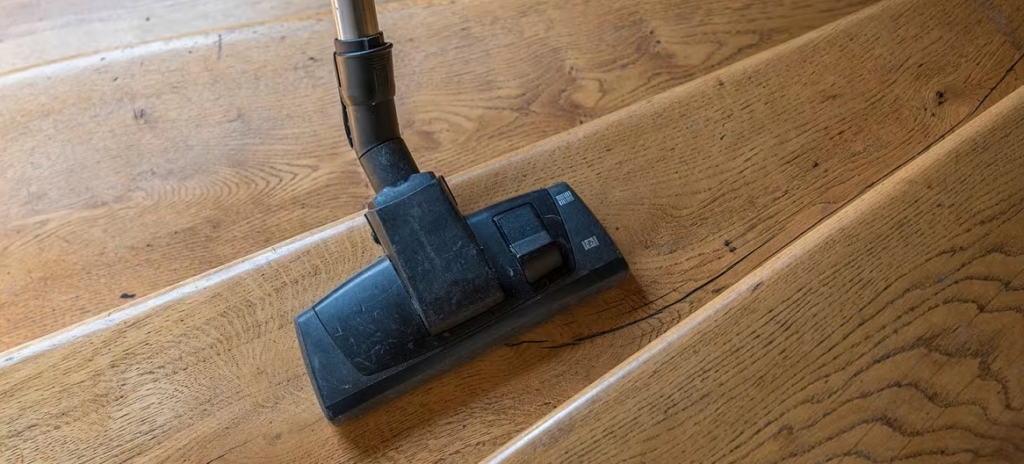
Regular Vacuuming: Keeps dust and dirt from scratching the surface.
Pros: Easy and quick.
Cons: Requires frequent upkeep in busy homes.
Wood Cleaners: Special wood floor cleaners can help maintain the finish.
Pros: Keeps wood looking fresh and extends its lifespan.
Cons: Can be more costly than generic cleaners.
Cost:
Budget: Wood flooring is typically more expensive than carpet or laminate:
Solid Oak: May cost anywhere from $10 to $15 per square foot installed.
Pros: Long-lasting and adds value to your home.
Cons: High initial cost.
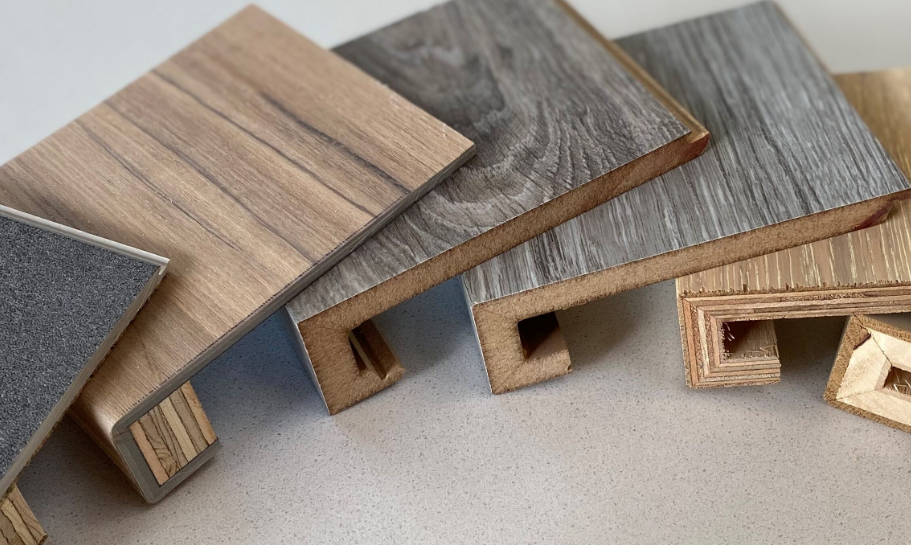
Engineered Wood: Costs less but still offers the look of real wood.
Pros: More budget-friendly; stable.
Cons: Less durable than solid wood.
Laminate Wood: A cheaper alternative that mimics wood grain.
Pros: Cost-effective; easy to install.
Cons: Doesn’t have the longevity or feel of real wood.
Acoustics:
Noise: Wood can be noisy, but there are ways to minimize this:
Rugs and Runners: Adding these soft elements can significantly reduce noise.
Pros: Softer underfoot; less noise.
Cons: Requires regular cleaning.
Cushioned Pads: Placed under stair treads, these reduce noise without covering the wood.
Pros: Keeps wood exposed but softens sound.
Cons: Adds slight thickness to the steps.
By considering these factors, you can choose the best wood flooring for your staircase that fits your lifestyle, aesthetic preferences, and budget. Always consult with a professional to ensure proper installation and long-lasting results.